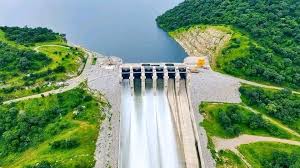
The Nile Dam Dispute involves three main countries: Ethiopia, Egypt, and Sudan. Its main issue is regarding the newly established Grand Ethiopian Renaissance Dam in Ethiopia, crossing the Nile River. This dam was established in 2011 in efforts to boost economic growth and electricity production in Ethiopia. The dispute’s main concern is that the dam will reduce water flow and economic growth for Egypt and Sudan, where the Nile regularly flows through. They also rely heavily on the Nile in terms of attaining clean drinking water and electricity to fuel the nation.
The dam started its construction in 2011 in Ethiopia. It has since been under construction and concluded its operation just recently in September 2025. The dam is intended to generate electricity for millions of Ethiopians and fuel the nation’s economy, bringing in an increasing amount of income and tourists. However, with the dam’s establishment, the tensions between Sudan and Egypt increased further.
A quote from Unilateralism shows Ethiopia’s stance; that the dam has no effect on the other countries is stems, stating, “Ethiopia has made it clear from the very beginning that construction of the Grand Ethiopian Renaissance Dam is based on its sovereign and legitimate rights to use the Nile waters and it not causing significant harm to downstream countries.” Ethiopia’s assertive stance is often countered with concerns from the other countries.
Both Sudan and Egypt had concerns that the Nile reduction will cost them millions of losses in domestic affairs and economic production. Not only that, they believe the living standards might decrease in the long run. Sudan expressed their concerns clearly, but also were willing to establish relations and negotiate with Ethiopia to advocate for their benefits. A quote from Benefits and Impacts states, “The Republic of the Sudan is an important riparian country along the Blue Nile, the country immediately downstream from the Grand Ethiopian Renaissance Dam, and thus stands to be impacted the most by the dam.”.
In a similar stance as Sudan, Egypt’s main point of interest regarding the debate is that it will risk the security of their people, as Egypt depends on the Nile for 90% of their water. The Nile is a resource for their entertainment, agriculture, and infrastructure, and having the risk of losing any amount can cause great detriment to the economy. A quote from Benefits and Impacts showcases Egypt’s stance clearly, and states, “This is a situation that potentially poses a serious threat to peace and security throughout the region. The unilateral filling and operation of the Grand Ethiopian Renaissance Dam, which is slated to become the largest hydropower dam in Africa, could cause significant harm to downstream communities. This would jeopardize the water security, food security, and indeed, the very existence of over 100 million Egyptians, who are entirely dependent on the Nile River for their livelihood.”
Many discussions have been occurring to come up with solutions that will satisfy all three of these countries, such as how the dam should operate, how the water should be allocated, and how to maintain stability in both Egypt and Sudan. Even with the amount of discourse and traction this issue has gained, it is still yet to reach a unilateral agreement under the African Union.